
The Sparchive

We hope you enjoy the thought leadership continually shared by ADVISA, including tips and insights to level up your leadership, leverage AI with great intention, and build a culture that propels your organization toward success. You can access past volumes of our monthly newsletter The Spark below.
If you aren’t getting monthly thought leadership in your inbox yet, subscribe here.
Past volumes of The Spark
- Where do the best ideas come from?
- Where does culture start?
- How do you create belonging in hybrid workplaces?
- Do you know who your culture carriers are?
- How to keep people in the AI loop
- How connected are culture and wellness?
- Ever struggled to turn inspiration into real change that sticks?
- Read this, then make an assessment
- How to Achieve Prioritization and Balance
- Catch up on our most popular insights
Where do the best ideas come from?

- How the best ideas emerge from diverse perspectives and cross-disciplinary collaboration
- Why intergenerational teams—especially those including Gen Z—drive fresh thinking and innovation
- The impact of Gen Z’s unique upbringing on their workplace expectations (flexibility, autonomy, clarity, purpose)
- Practical ways leaders can foster a culture of psychological safety and curiosity to unlock better ideas
- The role of leader behavior and “activation from above” in creating environments where ideas can flourish
- Strategies for building a workplace culture that supports continuous learning, connection, and high performance
If you aren’t getting The Spark yet, subscribe here.
Where does culture start?

- Why culture isn’t optional — it’s either a growth enabler or a barrier within an organization
- The role of leaders as culture carriers—how what leaders tolerate and celebrate becomes the norm
- The five-driver ATLAS framework for building cultural competitive advantage
- Practical first steps for culture work—including starting with one driver, using tools like the “ATLAS Navigator” five-minute check
- How to connect culture with business strategy, systems and processes—not just values posters or slogans
- The importance of leadership modelling behavior, not just declaring it, to ensure trust, alignment and sustained change
If you aren’t getting The Spark yet, subscribe here.
How do you create belonging in hybrid workplaces?

- Understanding the human need for belonging and why hybrid workplaces make this more complex (job-, manager-, team- and culture-level connections)
- Leveraging technology intentionally to replicate informal “water-cooler” moments and keep remote & in-office employees connected
- Investing in leadership development so managers can cultivate belonging (emotional intelligence, inclusive behaviours)
- Creating horizontal connection opportunities instead of purely top-down communications (e.g., peer-led sessions, rotating roles like “CEO for a day”)
- Emphasizing a human-centered future of work—purpose, values, meaningful connection matter even more when work is hybrid
- Ensuring consistency and reinforcement of culture, purpose and belonging through regular communication, recognition and alignment
If you aren’t getting The Spark yet, subscribe here.
Do you know who your culture carriers are?

- The critical role of leaders as culture carriers and how leadership behavior directly shapes employee engagement
- Data showing why leadership development matters (e.g., 70% of engagement tied to the manager, 82% of new managers receive no training)
- The difference between intentional vs. unintentional culture and the costly outcomes of culture that is left unmanaged (quiet quitting, turnover, low productivity)
- How intentional culture supports growth, retention, productivity, and long-term business health
- Deming’s insight that 94% of workplace issues stem from systems, underscoring the need for organizational alignment
- ADVISA’s five drivers of successful culture
- Guidance for leaders on where to start in culture work and an invitation to use the 5-Minute Culture Check assessment
- Insights from SHRM’s All Things Work podcast on aligning culture with strategic business plans, including reboarding, people data, and leadership clarity
- Emphasis on emotional intelligence as a high-impact skill for showing up intentionally as a leader
If you aren’t getting The Spark yet, subscribe here.
How to keep people in the AI loop

- The importance of keeping humans actively involved in workflows that include AI, rather than fully automating without oversight.
- Key roles humans play in the loop: judging context, verifying accuracy, ensuring ethics and compliance, providing accountability.
- The risk of rubber-stamping—when humans become passive reviewers and fail to meaningfully engage with AI outputs.
- Guidelines for structuring workflows for meaningful human oversight: clear decision-gates, roles, feedback loops, transparency in AI output.
- Advice on designing interfaces and systems where humans don’t just approve AI work but collaborate with it (prompting, refining, steering).
- Cultural and change-management aspects: making sure people understand the value of human-in-the-loop, building trust in the system, avoiding fear or overreliance.
- Future-facing considerations: how human plus AI partnerships evolve, governance and guardrails needed as AI capabilities scale.
If you aren’t getting The Spark yet, subscribe here.
How connected are culture and wellness?
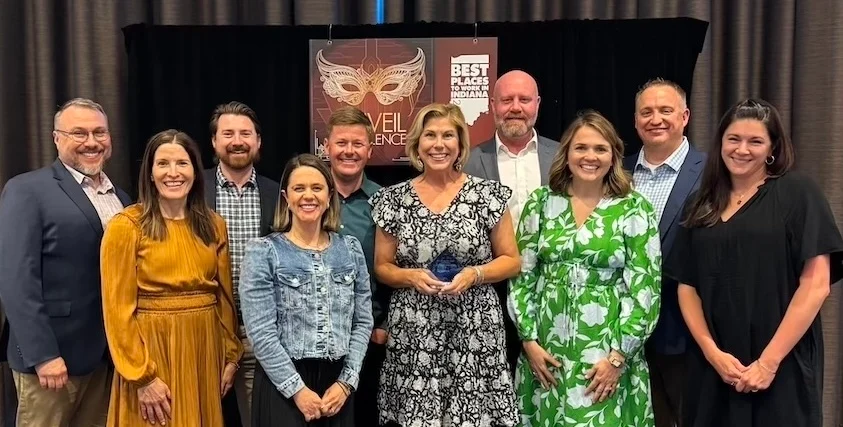
- The link between workplace culture and employee wellness, showing how culture shapes wellness outcomes and vice-versa
- Definition of “culture” as a system of shared beliefs and values modeled by leadership, which influences the psychological and social experience of employees
- Discussion of the five-driver framework (ATLAS) for culture
- How each of those drivers intersects with wellness — for example, leadership modeling healthy behaviors (Activation from Above) or systems that support wellness access (Systems that Support Leaders)
- The idea that wellness efforts can’t just be tactical (like a monthly yoga class) but must be aligned with intentional culture and business systems, and backed by data (Actionable People Data)
- Emphasis on leaders’ responsibility and capacity to promote wellness through culture: being intentional about how they show up, modeling boundaries, building trust and purpose
- Practical advice: choose one sphere of influence, start small, align wellness and culture efforts, make data-driven improvements (rather than ad hoc tactics)
Culture: A system of shared beliefs and values, modeled and reinforced by leadership’s communication and behavior, that shapes the social and psychological experience of employees.
If you aren’t getting The Spark yet, subscribe here.
Ever struggled to turn inspiration into real change that sticks?

- How to turn leadership inspiration into sustained behavior change, not just momentary motivation
- A behind-the-scenes look at a real leadership coaching process, guided by ADVISA coach Mike Elliott
- Practical coaching strategies for applying leadership content so new insights become real actions
- Tips for improving leader effectiveness and shaping a healthier, more intentional workplace culture
- Options to read or watch the Coaching for Culture content, making it accessible for different learning styles
- A quick “Get to know ADVISA” 60-second virtual tour, offering an overview of who ADVISA is and what they do
If you aren’t getting The Spark yet, subscribe here.
Read this, then make an assessment
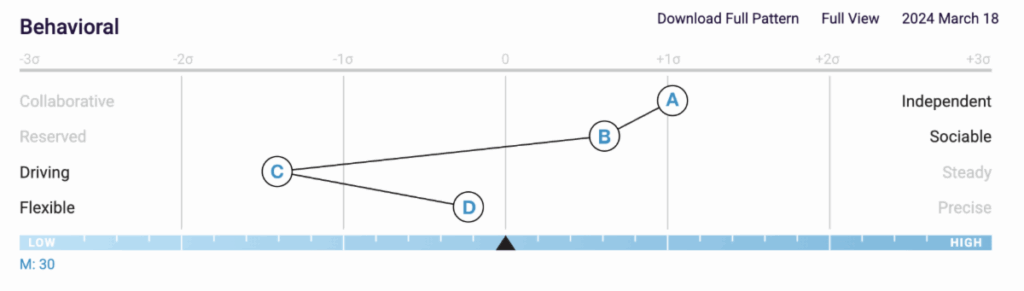
- Introduction to the idea that assessments help leaders gain clarity on team-dynamics, culture, fit, behaviours, and alignment
- Article: “Coaching for Culture: Three Big Benefits of Assessments” by Mike Elliott — views culture through the lens of “language” and value-expressions in leadership
- Article: “The 5 Most Powerful Assessments for Leaders and Businesses” by BJ McKay — explores how human brains filter sensory input and why assessments help uncover what leaders miss
- Invitation for consultation with ADVISA about how to use assessments strategically to achieve organizational goals
- Emphasis on leveraging behavioural, cognitive, EQ, culture, and competency assessments to proactively manage team complexity and prevent dysfunction
If you aren’t getting The Spark yet, subscribe here.
How to Achieve Prioritization and Balance

- Techniques for leaders (and individuals) to prioritize tasks and goals and bring clarity to What’s Most Important
- Advice on establishing and maintaining balance between competing demands — work vs. life, strategic vs. tactical, urgent vs. important
- Identification of practical tools/frameworks for prioritization (e.g., mapping priorities, setting boundaries, deliberate scheduling)
- Emphasis on the role of intentional leadership in modelling balanced behaviour, not just prescribing it
- Guidance on aligning priority-setting and balance with organizational culture, team energy, and strategic goals
- Encouragement to use self-assessment or team workshops to evaluate current prioritization practices and balance gaps
If you aren’t getting The Spark yet, subscribe here.
Catch up on our most popular insights
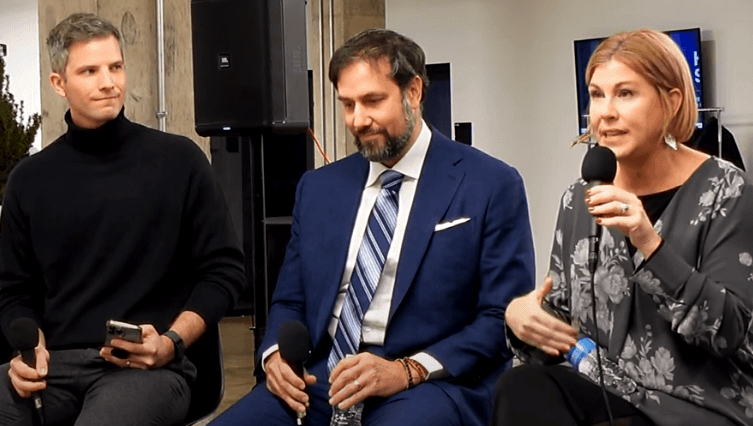
- A curated recap of ADVISA’s most popular insights from the past year, designed to help leadership teams get momentum for the new year
- Focus on how to align leadership development, culture building, and business strategy into actionable priorities for the upcoming year
- Emphasis on intentional culture and how reviewing best-performing content can highlight what’s working (and what isn’t) in leadership & organizational design
- Prioritizing high-leverage content, scheduling team discussions or workshops, and embedding these insights into planning cycles
If you aren’t getting The Spark yet, subscribe here.