
The Hidden Cost of Doing Nothing: Why Leadership Growth Doesn’t Happen by Accident
If you’ve been in leadership long enough, you’ve probably faced this crossroads:
Invest in leadership development?
Build something internally?
Wait until budget, timing, or priorities make it easier?
It’s more common than people admit: many organizations choose not to decide, believing that standing still carries no cost.
Lack of development comes with a high cost.
In reality, choosing inaction is choosing a path—and it’s rarely a neutral one. Because while leadership development can feel expensive, time-consuming, or difficult to measure, a lack of development is never free.
It shows up slowly: in turnover, stalled innovation, inconsistency in execution, frustrated managers, leaders who plateau instead of evolve, and cultures that slip into stagnation rather than strength.
A 2023 study by BetterManager showed average return of $7 gained per $1 invested in leadership development – that’s a 7:1 ROI!
Leadership growth is not organic. It doesn’t happen because we hope it will, or because we promote people and give them a book. It happens when we build it with intention.
And this is where organizations often get stuck—either defaulting to inaction, or assuming they can solve it by building something entirely in house. Both paths are understandable. Both paths are risky. And one is often worse than the other.
Inaction is a quiet eroder of potential.

It feels safe.
It feels practical.
It feels like a delay, not a decision.
But the cost isn’t measured today—it shows up over seasons.
When leaders don’t grow, culture calcifies. Teams learn to operate around gaps instead of through them. Organizations mistake activity for progress, motion for momentum.
And the longer it goes unaddressed, the harder it becomes to change.
Insourcing doesn’t solve the problem either.
Many companies assume: We know our people best. We understand our culture. Why bring in someone else?
They’re right about one thing—internal context matters. But context alone doesn’t create transformation. Internal programs often unintentionally reinforce the very patterns they’re designed to improve.
You can’t read the label from inside the jar.
Internal teams must navigate history, power dynamics, and unspoken rules. They must improve the system while working inside the system.
And when executive behavior is part of the barrier, the person responsible for development typically can’t afford to name it. Even brilliant L&D leaders cannot coach what they’re not free to surface. It’s a problem I see all the time as I consult with companies.
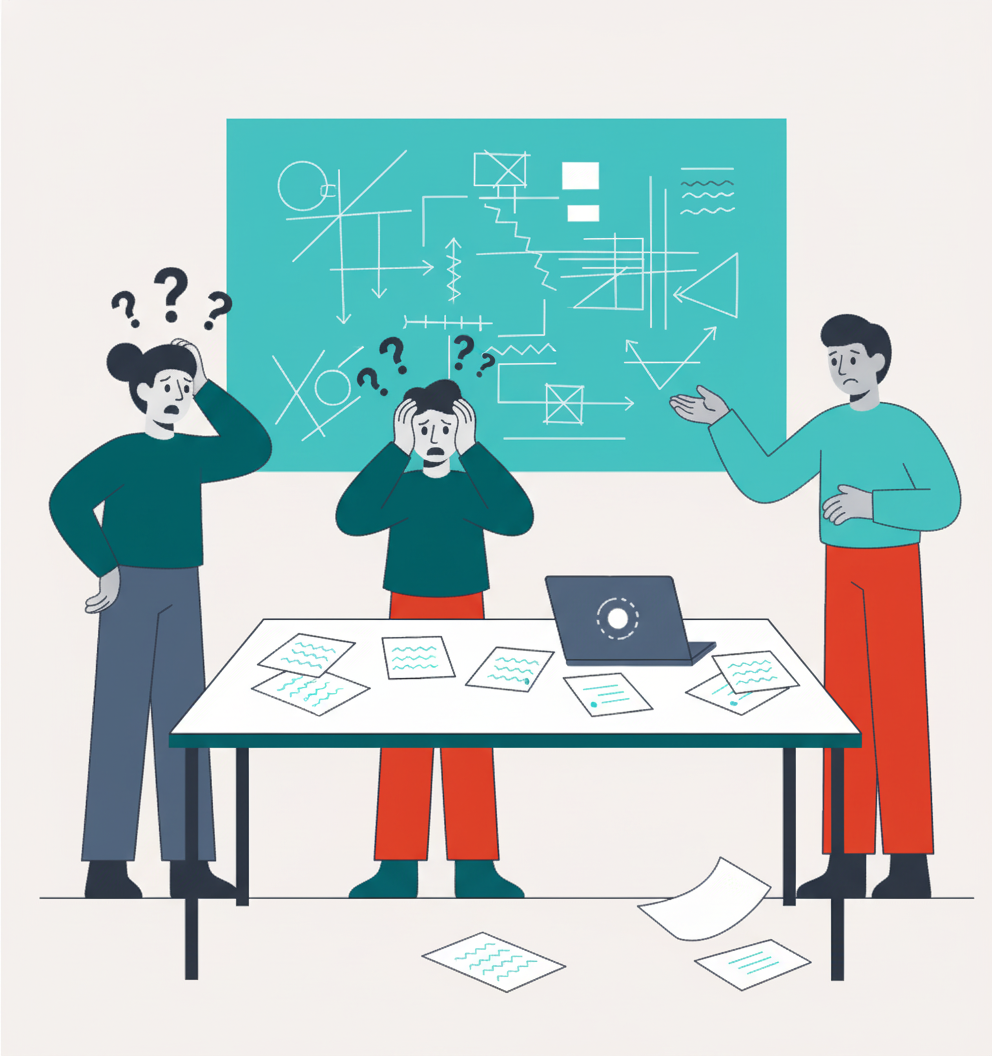
Meanwhile, building an internal program requires far more than content, including:
- Instructional design
- Measurement strategy
- Change management
- Facilitation
- Behavioral reinforcement mechanisms
- Accountability structures
Very few individuals (or even teams) possess all of those disciplines at scale—and the gaps show up later, in learner experience, engagement, and outcomes.
When leadership development lives only inside, growth often remains safe, incremental, and familiar.
Leaders learn to run better meetings, lead better breakouts, repeat back values. But behaviors remain unchanged. Culture remains unchallenged. The organization gets polished sameness, not elevated capability.
Internal programs often slip into what some of us refer to as “trainer-tainment“—interesting sessions, good facilitation, high energy… yet little lasting change.
This is not a failure of effort. It is a limitation of proximity.
The real question isn’t “internal or external?”
It’s this:
Does our current approach create real, measurable improvement in how people lead?
Or does it merely reinforce what already exists?
Because the true cost of doing nothing—or doing only what feels comfortable—is not financial.
It’s cultural.
It’s strategic.
It’s the slow erosion of your organization’s ability to adapt, respond, and thrive in complexity.
Organizations that grow leaders on purpose don’t wait for clarity—they create it.
They define what leadership should look like here.
They build systems that develop those capabilities consistently.
They measure progress, celebrate growth, and hold leaders accountable.
They welcome outside perspective to challenge blind spots and outdated patterns.
They choose intentionality over inertia.
Leadership development is not an event. It is an ecosystem.
And ecosystems flourish when nurtured with fresh perspective, healthy tension, and real commitment.
If you’re in the place where you’re considering leadership development—or wondering why your current approach isn’t delivering the outcomes you hoped for—there is no judgment here. Only opportunity.
The future belongs to leaders who grow.
And growth begins with a decision.
“If you choose not to decide, you still have made a choice.”
From the song Freewill by Rush
We can help you activate a thriving, leader-led culture!
If this got you thinking about your organization’s approach to leader development, I encourage you to check out our FREE eBook, Why Most Leadership Training Tends to Fail: Solving a Common HR Pain Point. It highlights the patterns and pitfalls we commonly hear in the marketplace to help you learn from others’ trial-and-error.

What further guidance would be helpful – or questions can I answer?
As a long-term leadership consultant with ADVISA, trust me, I’ve seen, heard, and helped solve virtually every “people problem” you can imagine. And I’d love to partner with you, too.
Let’s make you look like a hero at your organization.
I’m here to help. Email any time.