
The Spotter: Why Leaders Need Real-Time Outside Observation
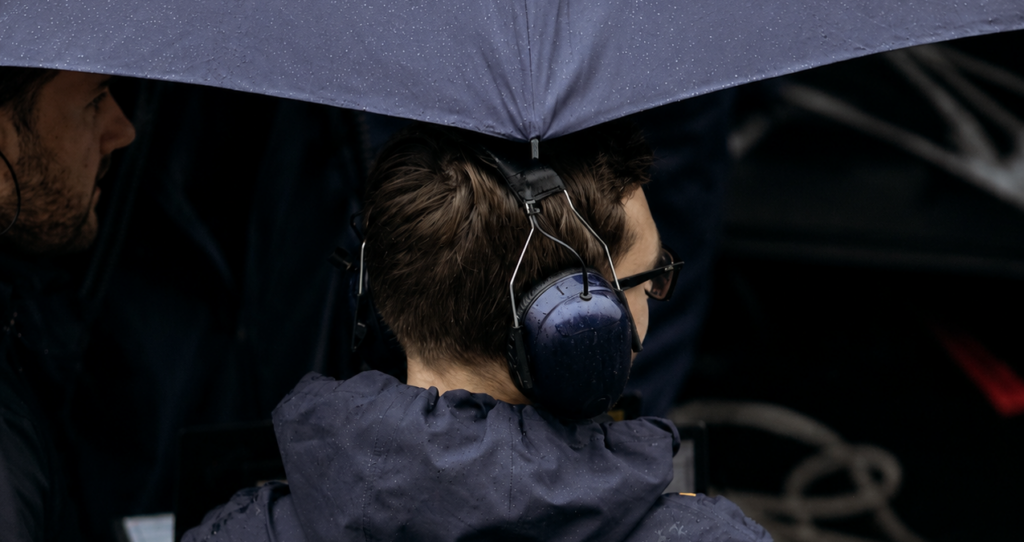
You hire smart people. You invest in mentors, join boards, work with coaches. And still, no one is watching the view outside your cockpit right now.
I love the Indy 500. The speed, the stakes, the legacy. But the magic isn’t in what you see. It’s in what you hear on the team radio.
At 230 mph, even the world’s best drivers can’t see what’s behind them. They rely on a spotter perched high above the track with a full view of the field. The spotter isn’t coaching. Isn’t strategizing. They’re watching. Calling out who’s beside the driver, where the debris landed, when there’s room to move, when to hold.
Real-time perspective. Fast and safe.
Leadership works the same way.
The Cockpit Problem
Early in my career, I learned about blind spots. The ones you literally can’t see until someone names them. That idea reshaped how I move through the world. Since then, I’ve made sure I have spotters. People I trust to tell me what I can’t see, so I make better decisions for myself, my team, and my clients.
“Spotter” was never my title. It became the work I valued most.
A coach develops you over time. A board governs. A mentor reflects with you in quiet moments. A spotter does something different. They see the emerging risk, the stakeholder shift, the cultural fracture, the blow coming from behind. They tell you before you find out the hard way.
That’s performance work, not development work.
What Makes a Spotter Work
Trust, built over seasons. The driver has to believe the spotter’s view even when it contradicts cockpit feel. The spotter has to deliver hard truths without hesitation.
Two-way. Honest. Earned, not granted by title.
Leaders need this more than racers do. Organizational crashes are slower, costlier, and easier to explain away. By the time your data confirms what a spotter would have flagged, the cost has already compounded.
Authority wires people to protect you. They bring polished updates instead of the truth you need. When was the last time you asked, and truly listened, to someone who could name what you’re missing?
One Question Worth Sitting With
Who saw something this week you couldn’t see, and told you before you found out the hard way?
If you have that person, protect them. If you don’t, recognizing the gap is the first step.
Have a spotter. Be a spotter.
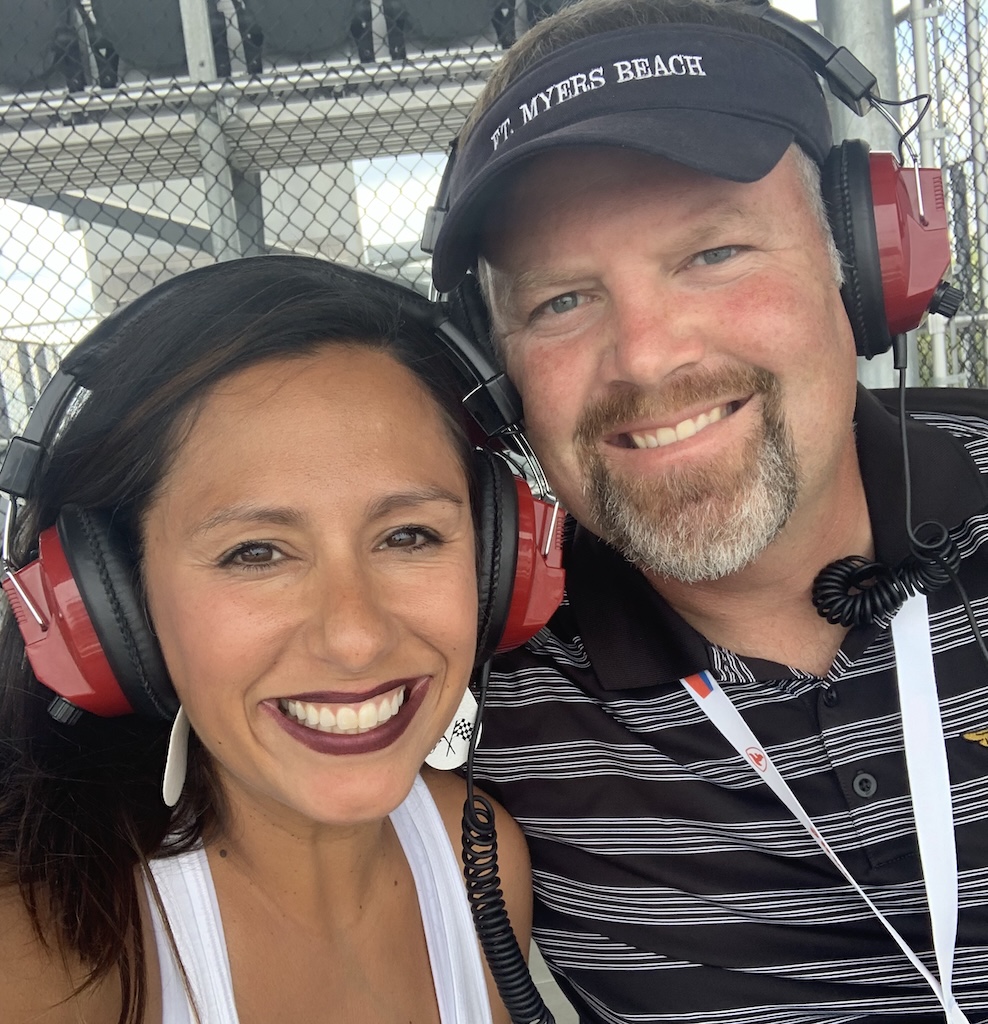
Curious what that relationship looks like at the executive level?
Wondering whether there’s a gap between the culture you’re building and the one your team is living?
I’d welcome that conversation — full of truth at full speed.
– Kayla